Expert Guide Hub
Part of our Dental Implants comprehensive series.
Caring for Your Dental Implants!!! So, you’ve taken the plunge and invested in dental implants. Congrats! You’ve got a durable and natural-looking solution for replacing missing teeth. But like any investment, you’ve gotta take care of them if you want them to last. Think of your dental implants like a classic car – with the right maintenance, they can cruise for a lifetime. Let’s dive into how to keep your implants in tip-top shape.
Proper Oral Hygiene Practices
Just like your natural teeth, dental implants require a solid oral hygiene routine. This is your first line of defense against plaque buildup and gum disease, which can compromise the stability of your implants.
- Brush Like a Boss: You should be brushing at least twice a day, but ideally after every meal. Grab a soft-bristled toothbrush and some non-abrasive, fluoride toothpaste. Gently brush all surfaces of your teeth and implants, paying special attention to the gum line.
- Floss Like a Pro: Flossing isn’t just for dislodging that rogue popcorn kernel. It’s essential for removing plaque and food particles from around your implants. Regular floss can be tricky to maneuver around implants, so consider using interdental brushes or floss threaders to get into those hard-to-reach spots. Some folks swear by water flossers for a more thorough clean, especially around the gumline.
- Rinse and Repeat: Finish off your routine with an antibacterial mouthwash. This helps to kill any lingering bacteria that brushing and flossing might have missed. Just make sure to choose a mouthwash that’s formulated for implants, so it won’t damage the implant surfaces.
Regular Dental Check-ups and Professional Cleanings
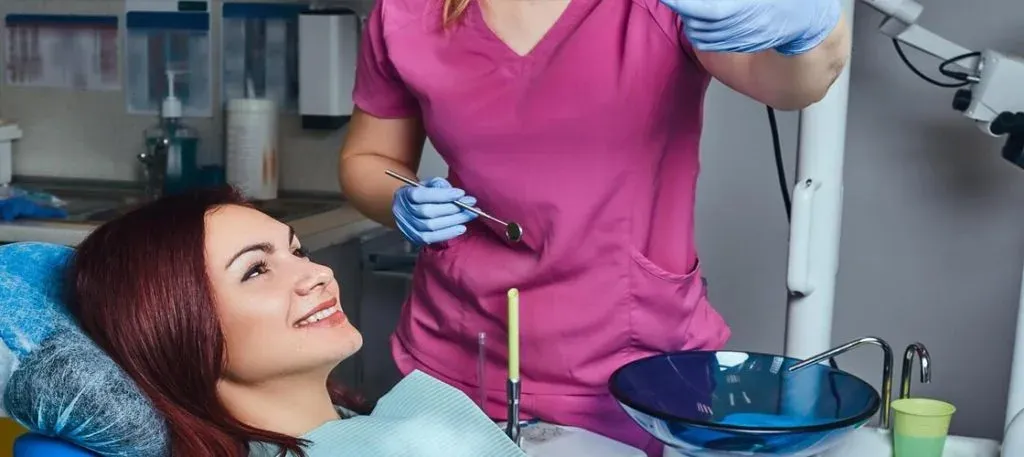
No matter how diligent you are with your at-home care, you still need to see your dentist regularly. Think of it as taking your car in for an oil change and tune-up.
- Schedule Routine Visits: Aim to see your dentist every six months for a check-up and cleaning. During these visits, your dentist will examine your implants, assess their condition, and check for any signs of potential problems.
- Professional Cleanings are Key: Your dental hygienist has the tools and expertise to remove plaque and tartar buildup that you can’t get rid of at home. This is super important because plaque and tartar can lead to gum disease and other issues that can threaten your implants.
- Don’t Be a Stranger: If you notice anything unusual, like pain, swelling, or bleeding around your implants, don’t wait for your next scheduled appointment. Call your dentist right away. Early detection and treatment are crucial for preventing minor issues from turning into major problems.
Dietary Recommendations for Implant Health
You are what you eat, and that goes for your dental implants, too. A balanced diet not only supports your overall health but also promotes the longevity of your implants.
- Avoid the Hard Stuff: Biting down on hard foods like ice, hard candies, or nuts can put excessive stress on your implants and prosthetic teeth. It’s also best to avoid using your teeth to open packages.
- Steer Clear of Sticky Situations: Sticky foods like caramel or gummy candies can also be problematic. They can stick to your implants and be difficult to remove, increasing the risk of plaque buildup.
- Load Up on Nutrients: A diet rich in fruits, vegetables, and lean proteins provides the nutrients your body needs to maintain healthy gums and bones[. This is essential for supporting the stability of your implants.
Recognizing and Addressing Potential Complications
Even with the best care, complications can sometimes arise. Being able to recognize the signs of trouble and take swift action can make all the difference in the long-term success of your implants.
- Gum Disease: This is one of the most common complications associated with dental implants. Signs of gum disease include red, swollen, or bleeding gums; persistent bad breath; and loose implants. If you notice any of these symptoms, see your dentist right away.
- Peri-implantitis: This is a type of inflammation that affects the tissues around the implant, and it can eventually lead to bone loss and implant failure. It’s often caused by poor oral hygiene or smoking.
- Implant Failure: In rare cases, dental implants can fail. This can happen for a variety of reasons, including infection, bone loss, or improper placement. If your implant feels loose or is causing you pain, see your dentist immediately.
Your dental implants are an investment in your smile and your overall quality of life. By following these simple but effective maintenance tips, you can enjoy the benefits of your implants for many years to come. Remember, a little care goes a long way when it comes to preserving the functionality and aesthetics of your dental implants