Expert Guide Hub
Part of our General Dentistry comprehensive series.
Living with a clicky, achy jaw can be a real drag, right? If you’re dealing with TMJ—that’s temporomandibular joint disorder—you know exactly what I’m talking about. It can make everything from chewing your favorite foods to talking with friends a total pain. The constant tension, the clicking sounds, and the occasional locking of the jaw are enough to drive anyone crazy.
But guess what? You don’t have to just grin and bear it. There are some super easy, incredibly effective exercises you can do right at home to help chill out those jaw muscles, get things moving smoothly, and finally ditch some of that discomfort. In this comprehensive guide, we’re going to dive deep into the world of TMJ exercises, exploring how they work, why they’re effective, and providing you with a step-by-step routine you can start today.
What’s the Deal with TMJ Anyway?
To understand how to fix the problem, we first need to understand what the problem is. TMJ disorders are essentially a group of conditions that mess with the muscles and joints in your jaw.
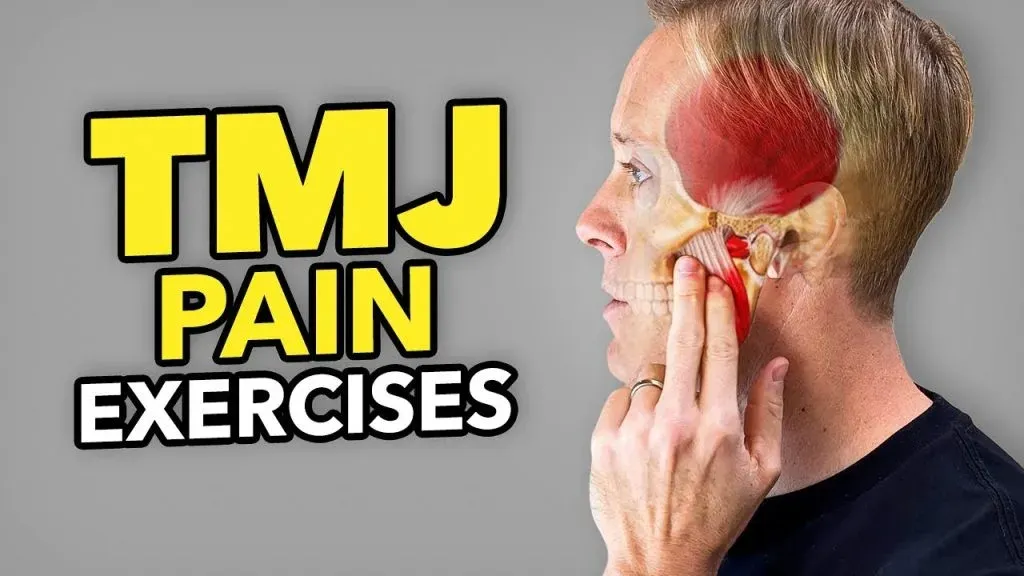
Think of the temporomandibular joint as a sliding hinge that connects your jawbone to your skull. You have one on each side of your jaw. When this hinge isn’t working correctly, it makes it hard to open and close your mouth without a grimace. Sometimes, the issue lies in the muscles surrounding the joint—they might be tight, spasming, or overworked from clenching and grinding. Other times, the problem is within the joint itself, such as a displaced disc or arthritis.
Symptoms can range from mild, occasional discomfort to severe, chronic pain that radiates down your neck and shoulders. You might experience tension headaches, earaches, or a ringing in your ears (tinnitus).
Why Bother with Jaw Exercises?
When you hear the word “exercise,” you probably think of lifting weights or going for a run. But jaw exercises are entirely different. Noninvasive treatments, like these specific movements, can genuinely make a massive difference in easing TMJ pain and stiffness.
These exercises aren’t about bulking up your jaw muscles like a bodybuilder. Instead, they focus on three main goals:
- Strengthening: Weak jaw muscles can lead to instability in the joint. Strengthening them helps keep the jaw aligned correctly.
- Stretching: Tight, tense muscles are a primary cause of TMJ pain. Stretching helps elongate these muscle fibers, reducing tension and spasms.
- Relaxation: Many of us hold our stress in our jaws, leading to unconscious clenching. Relaxation exercises train the muscles to let go of that pent-up tension.
By incorporating these movements into your daily routine, you’re actively working to boost your jaw’s strength, increase its range of motion, and improve its overall function. It’s physical therapy for your face!
Step-by-Step TMJ Exercise Routines
Alright, let’s dive into some simple exercises you can sneak into your daily grind. Doing these a few times a day is recommended for the best results. We’ve broken them down into three categories: relaxation, stretching, and strengthening.
Phase 1: Relaxation Exercises
The goal here is to release the tension you’re holding in your jaw. These are great to do right before bed or during a stressful moment at work.
1. The Relaxed Jaw
This is the foundational position for your jaw. Most people naturally let their teeth rest against each other, which keeps the muscles engaged.
- Step 1: Place your tongue gently on the roof of your mouth, just behind your upper front teeth.
- Step 2: Allow your lower jaw to drop slightly so your teeth are no longer touching. Your lips should remain closed.
- Step 3: Take a deep breath through your nose and exhale slowly. Focus on the feeling of heaviness in your lower jaw.
- Step 4: Hold this relaxed position for a few minutes. Try to return to this posture throughout the day whenever you catch yourself clenching.
2. Goldfish Exercise (Partial Opening)
This exercise helps align the jaw while it’s in motion.
- Step 1: Place your tongue on the roof of your mouth.
- Step 2: Put one index finger on the TMJ (the joint just in front of your ear).
- Step 3: Place the index finger of your other hand on your chin.
- Step 4: Drop your lower jaw halfway down, feeling the joint move with the finger resting on it. Keep your tongue on the roof of your mouth.
- Step 5: Close your mouth slowly. Repeat this 6 times in one set. Aim for one set, six times a day.
Phase 2: Stretching Exercises
Stretching helps restore the normal range of motion to a stiff, locked-up jaw.
3. Jaw Opening Stretch
This one is straightforward but highly effective for flexibility.
- Step 1: Sit or stand comfortably with good posture.
- Step 2: Gently open your mouth as wide as you can without feeling pain. You should feel a stretch, but it shouldn’t hurt.
- Step 3: Hold this open position for 5-10 seconds.
- Step 4: Slowly close your mouth. Repeat this 5-10 times. Over a few weeks, try to open a little wider each time.
4. Side-to-Side Jaw Movement
This helps increase lateral (side-to-side) mobility.
- Step 1: Find an object that is about ¼ inch thick, like a stack of two tongue depressors or a clean popsicle stick.
- Step 2: Place the object between your front teeth.
- Step 3: Slowly slide your lower jaw to the left, then to the right.
- Step 4: Repeat this motion 5-10 times. As the exercise becomes easier, increase the thickness of the object between your teeth.
Phase 3: Strengthening Exercises
Once you’ve relaxed and stretched the muscles, it’s time to build gentle strength to stabilize the joint.
5. Resisted Mouth Opening
Time to put that hand of yours to work!
- Step 1: Place your thumb under your chin.
- Step 2: Open your mouth slowly while gently pushing upward with your thumb to create resistance.
- Step 3: Hold your mouth open against the resistance for 3-6 seconds.
- Step 4: Close your mouth slowly. Repeat this 5-10 times.
6. Resisted Mouth Closing
The opposite of the previous exercise.
- Step 1: Squeeze your chin between your thumb and index finger of one hand.
- Step 2: Open your mouth.
- Step 3: Try to close your mouth while gently pulling downward on your chin with your fingers to create resistance.
- Step 4: Repeat this 5-10 times.
7. Chin Tucks
Believe it or not, neck posture directly affects your jaw.
- Step 1: Stand or sit with your shoulders pulled back and your chest lifted.
- Step 2: Keeping your head level, pull your chin straight back towards your neck, as if you are trying to create a “double chin.”
- Step 3: Hold this position for 3-5 seconds. You should feel a stretch at the back of your neck.
- Step 4: Relax and return to the starting position. Repeat 10 times.
Pro Tips for Maximum TMJ Exercise Success
To get the absolute most out of these routines, keep these dentist-approved tips in mind:
- Warm-Up First: Before you start any of these exercises, apply a warm, moist compress to the sides of your face for 5-10 minutes. This increases blood flow and loosens the muscles, making the exercises more effective and comfortable. A gentle facial massage can also help.
- Go Slow and Steady: Don’t rush through the movements. Smooth, controlled motions are the name of the game. Jerky movements can aggravate the joint.
- Listen to Your Body: This is the golden rule. You should feel a gentle stretch or muscle fatigue, but you should never feel sharp pain. If an exercise hurts, stop immediately or reduce the intensity.
- Be Consistent: Just like going to the gym, doing these exercises once won’t magically cure you. You need to stick with it. Aim to do your chosen routine 2-3 times every day.
- Stay Hydrated: The temporomandibular joint relies on synovial fluid for lubrication. Drinking plenty of water ensures the joint stays well-lubricated and moves smoothly.
- Mind Your Posture: As demonstrated by the chin tuck exercise, your head and neck posture heavily influence jaw tension. When sitting at a desk, keep your monitor at eye level and avoid slouching.
- Manage Your Stress: Since stress leads to clenching, incorporating stress-reduction techniques into your life is crucial. For a deeper dive into this, check out our guide on the link between stress and TMJ.
What to Watch Out For
While these exercises are generally safe for most people, there are a few important caveats:
- Don’t Overdo It: More isn’t always better. If your jaw starts feeling more sore or tired than usual, give it a rest for a day or two.
- Avoid Clenching During the Day: The exercises won’t help if you spend the rest of the day grinding your teeth. Be mindful of your jaw position throughout the day.
- When to Call the Pros: If your TMJ pain is severe, if your jaw completely locks up, or if you don’t see any improvement after a few weeks of consistent exercises, it’s time to seek professional help. You may need a custom bite guard, physical therapy, or other interventions. Learn more about what to expect during a professional TMJ evaluation.
TMJ might be a literal pain in the neck (and face), but with these simple, targeted exercises, you can take matters into your own hands. By strengthening, stretching, and relaxing your jaw, you’ll be well on your way to finding relief. Remember, consistency is the key to success. Make these routines a regular part of your day, and before you know it, you’ll be back to chomping, chatting, and smiling with total confidence!