Non-Invasive Cosmetic Dentistry Options for a Subtle Smile Enhancement
Non-invasive cosmetic dentistry is a game-changer for those looking to enhance their smiles subtly without the need for extensive procedures. With options like teeth whitening and dental bonding, individuals can achieve a natural-looking smile that addresses minor imperfections with ease and comfort.
Overview of Non-Invasive Cosmetic Procedures
Non-invasive cosmetic procedures have gained popularity due to their ability to improve the appearance of teeth while preserving their natural structure. These treatments often include:
- Teeth Whitening: This is one of the most sought-after procedures, allowing individuals to brighten their smiles by removing stains and discoloration. Professional whitening treatments can be done in-office or through take-home kits customized by dentists.
- Dental Bonding: This technique involves applying a tooth-colored composite resin to repair chips, cracks, or gaps in teeth. It’s a quick procedure that typically requires no anesthesia and can be completed in just one visit.
- Non-Prep Veneers: These are thin shells placed over the front of the teeth to cover imperfections like discoloration or unevenness. They don’t require any removal of enamel, making them a less invasive option.
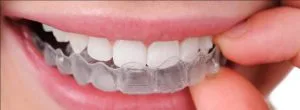
- Invisalign: For those looking to straighten their teeth without traditional metal braces, Invisalign offers a clear aligner system that is both discreet and effective.
These options are designed for individuals seeking subtle improvements rather than dramatic changes, making them perfect for those with minor imperfections.

Benefits of Non-Invasive Procedures
One of the standout benefits of non-invasive cosmetic dentistry is its ability to create a natural-looking smile. Patients often worry about appearing “overdone” after cosmetic treatments, but these procedures focus on enhancing what is already there rather than completely altering it.
Additionally, non-invasive options tend to have several advantages:
- Minimal Discomfort: Many non-invasive procedures are designed to be painless, often eliminating the need for anesthesia or extensive recovery time.
- Quick Results: Treatments like teeth whitening can provide immediate results, while others, such as dental bonding, can be completed in a single appointment.
- Preservation of Natural Teeth: By avoiding significant alterations to tooth structure, these procedures help maintain the integrity of your natural teeth.
Suitability for Individuals with Minor Imperfections
Non-invasive cosmetic dentistry is particularly suitable for those with minor dental issues. Whether it’s slight discoloration, small chips, or gaps between teeth, these treatments can address concerns without the need for more invasive options.
For instance, if someone has a couple of stained teeth but otherwise healthy ones, professional whitening may be all they need to achieve a brighter smile. Similarly, if someone has minor chips from wear and tear, dental bonding can seamlessly restore their appearance without extensive work.
Maintenance and Longevity of Results
While non-invasive procedures offer fantastic results, it’s essential to understand how to maintain those results effectively. Regular dental hygiene practices—brushing twice daily, flossing, and routine dental check-ups—are crucial in prolonging the effects of treatments like whitening and bonding.
The longevity of results can vary based on individual habits and lifestyle choices. For example:
- Teeth Whitening: Results can last from several months to a few years depending on dietary habits (like coffee or red wine consumption) and oral care routines.
- Dental Bonding: While durable, bonding materials may chip or stain over time; however, they can typically last several years with proper care.
- Veneers: Non-prep veneers can last anywhere from 5 to 10 years with good maintenance.
In general, maintaining regular dental visits will help ensure that any enhancements remain in top shape.
In summary, non-invasive cosmetic dentistry offers an appealing solution for those looking to enhance their smiles subtly. With options like teeth whitening and dental bonding available, achieving a natural look has never been easier or more comfortable. These procedures cater specifically to individuals with minor imperfections while providing quick results and minimal discomfort. So if you’re considering a smile upgrade without going under the knife—or drill—non-invasive options might just be your best bet!
1. What exactly is non-invasive cosmetic dentistry?
Answer: It refers to dental treatments that improve your smile’s appearance without requiring significant alteration or removal of your natural tooth structure.
2. What are some examples of non-invasive cosmetic dental procedures?
Answer: Common examples include teeth whitening, cosmetic bonding, enameloplasty (tooth reshaping), and sometimes clear aligners for minor corrections.
3. How does teeth whitening qualify as a non-invasive procedure?
Answer: Teeth whitening uses bleaching agents to remove stains and discoloration from the enamel surface without altering the tooth’s structure.
4. What is cosmetic bonding, and when is it a good option?
Answer: Cosmetic bonding involves applying a tooth-colored resin to the teeth to repair chips, cracks, or gaps. It’s ideal for minor imperfections.
5. What is enameloplasty (tooth reshaping)?
Answer: Enameloplasty is a procedure that removes very small amounts of enamel to improve the shape or length of teeth, correcting minor imperfections.
6. Can clear aligners like Invisalign be considered non-invasive?
Answer: For minor teeth straightening or alignment issues, clear aligners can be a less invasive alternative to traditional braces. They gently shift teeth over time.
7. How long do the results of non-invasive cosmetic dentistry typically last?
Answer: Longevity varies. Teeth whitening can last from several months to a couple of years, while bonding can last for many years with proper care. Enameloplasty is permanent. Aligners provide a permanent change if retainers are worn as directed.
8. Are there any risks associated with non-invasive cosmetic procedures?
Answer: Risks are generally minimal. Teeth whitening can cause temporary sensitivity. Bonding can chip or stain over time. Enameloplasty, if overdone, can increase sensitivity.
9. How do I know if I’m a good candidate for non-invasive cosmetic dentistry?
Answer: A consultation with your dentist is the best way to determine your suitability. They’ll assess your oral health and discuss your aesthetic goals.
10. What is the cost of non-invasive cosmetic dentistry?
Costs vary depending on the specific procedure and the extent of treatment needed. Generally, non-invasive options are more affordable than invasive ones like veneers or crowns. Consult with your dentist’s office for specific pricing.